How Observability Changed the Way I Debug
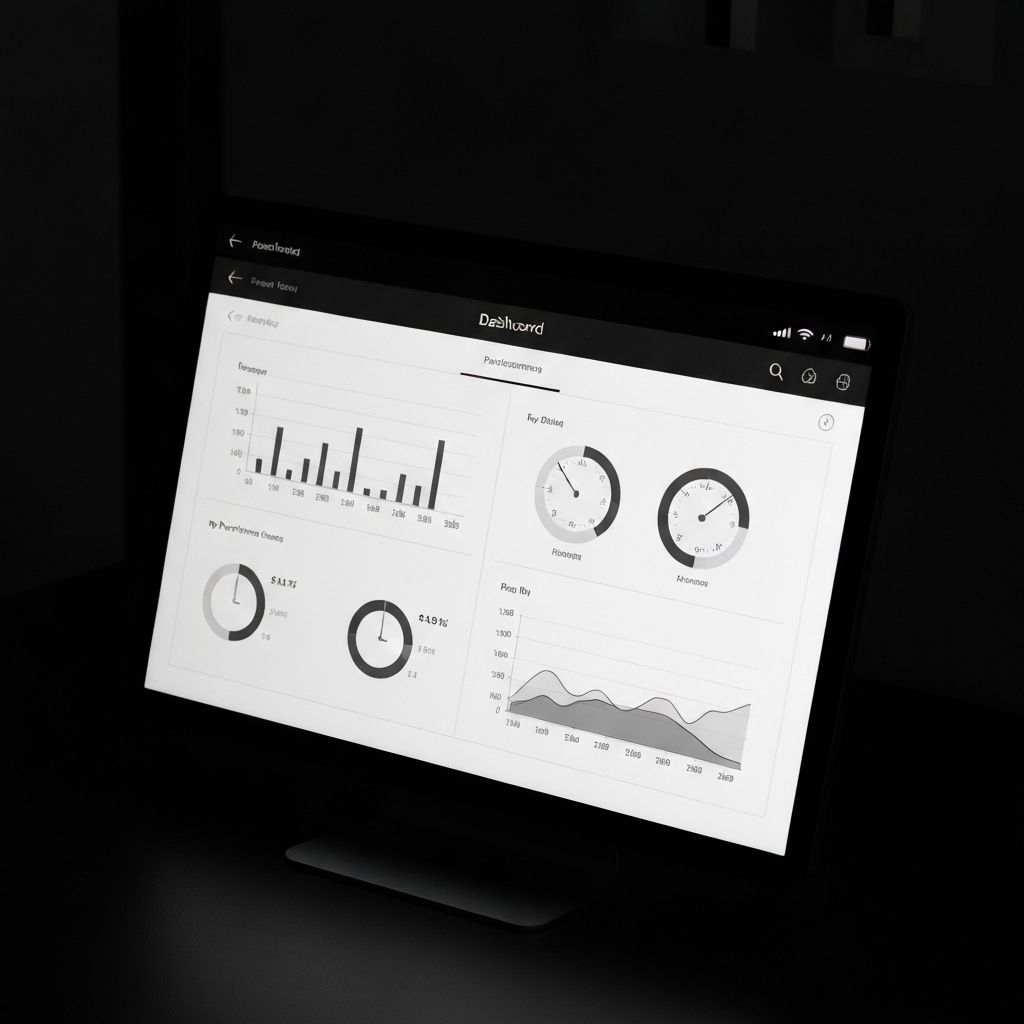
How Observability Changed the Way I Debug
Before: Bug happens in production. I SSH into servers and grep logs. I add print statements. I restart things. It's chaos.
After: Bug happens in production. I check metrics, traces, and logs. I see exactly where it happened and why. I fix it. I verify the fix worked. I move on.
The difference is observability.
Logs, Metrics, Traces
You need all three. Logs tell you what happened. Metrics tell you how much happened. Traces tell you why it happened.
- Metrics: CPU, memory, requests/sec, error rate, latency percentiles
- Logs: Structured logs with context (request ID, user ID, relevant state)
- Traces: Distributed tracing so you can follow a request through your entire system
The Compounding Benefit
Early on, observability feels like overhead. You're building dashboards while features wait.
But six months in, when something breaks at 2am, you solve it in 15 minutes instead of 3 hours. The ROI is enormous.
Every system I build now gets observability from day one. It's not optional.
Tool Recommendations
- Prometheus for metrics (simple, effective)
- OpenTelemetry for logs/traces (becoming standard)
- Grafana for visualization
- Loki if you want centralized logs without Elasticsearch overhead
Start simple. Use what's easy to operate. Upgrade when you hit limits, not before.